What is GFRP Rebar & Why It's Better Than Steel?
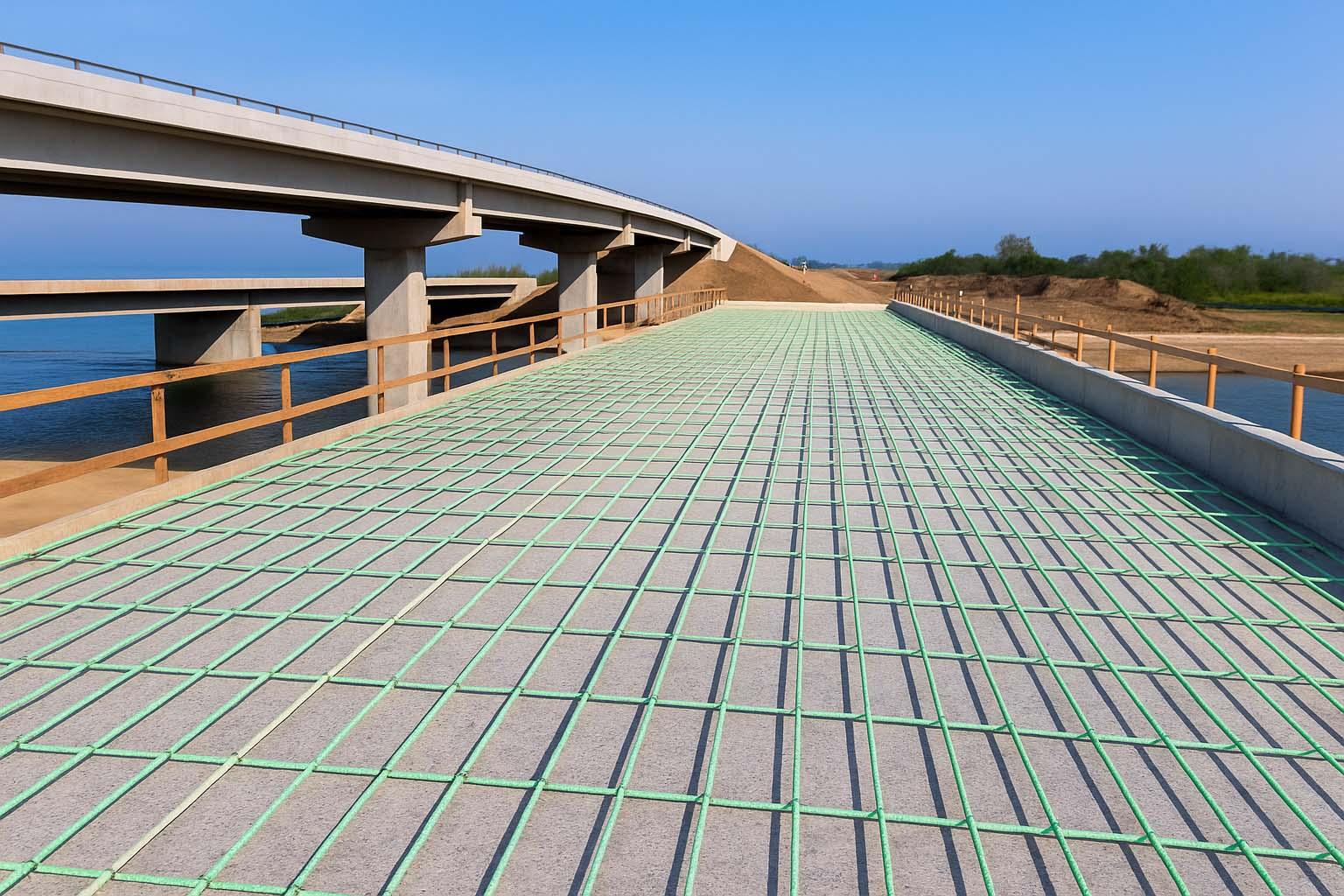
Glass Fiber Reinforced Polymer (GFRP) rebar is a modern alternative to traditional steel reinforcement that offers superior corrosion resistance, lighter weight, and excellent durability in challenging environments. As infrastructure projects demand longer-lasting and maintenance-free solutions, GFRP rebar has become an essential material for construction and civil engineering applications.
- Complete corrosion resistance in saline and acidic environments
- 75-85% lighter than steel rebar
- Superior performance in coastal and marine applications
- Non-magnetic and electrically inert properties
- Extended service life of 50+ years with minimal maintenance
Glass Fiber Reinforced Polymer (GFRP) rebar represents a significant advancement in construction materials technology. Unlike traditional steel reinforcement, GFRP rebar is manufactured by combining high-strength glass fibers with a polymer resin matrix, creating a composite material that delivers exceptional performance characteristics tailored for modern infrastructure demands.
The primary advantage of GFRP rebar lies in its outstanding corrosion resistance. While steel rebar deteriorates when exposed to moisture, chlorides, and harsh chemical environments, GFRP rebar remains completely inert. This makes it an ideal choice for coastal structures, bridges, parking garages, wastewater treatment facilities, and any application where corrosion would compromise structural integrity. The material's resistance to electromagnetic interference also makes it suitable for specialized applications requiring non-conductive reinforcement.
"GFRP rebar is transforming the way we build durable infrastructure. By eliminating corrosion concerns, we can design structures with longer service lives and significantly reduced maintenance costs, ultimately delivering better value to our clients and communities," says industry expert in advanced materials.
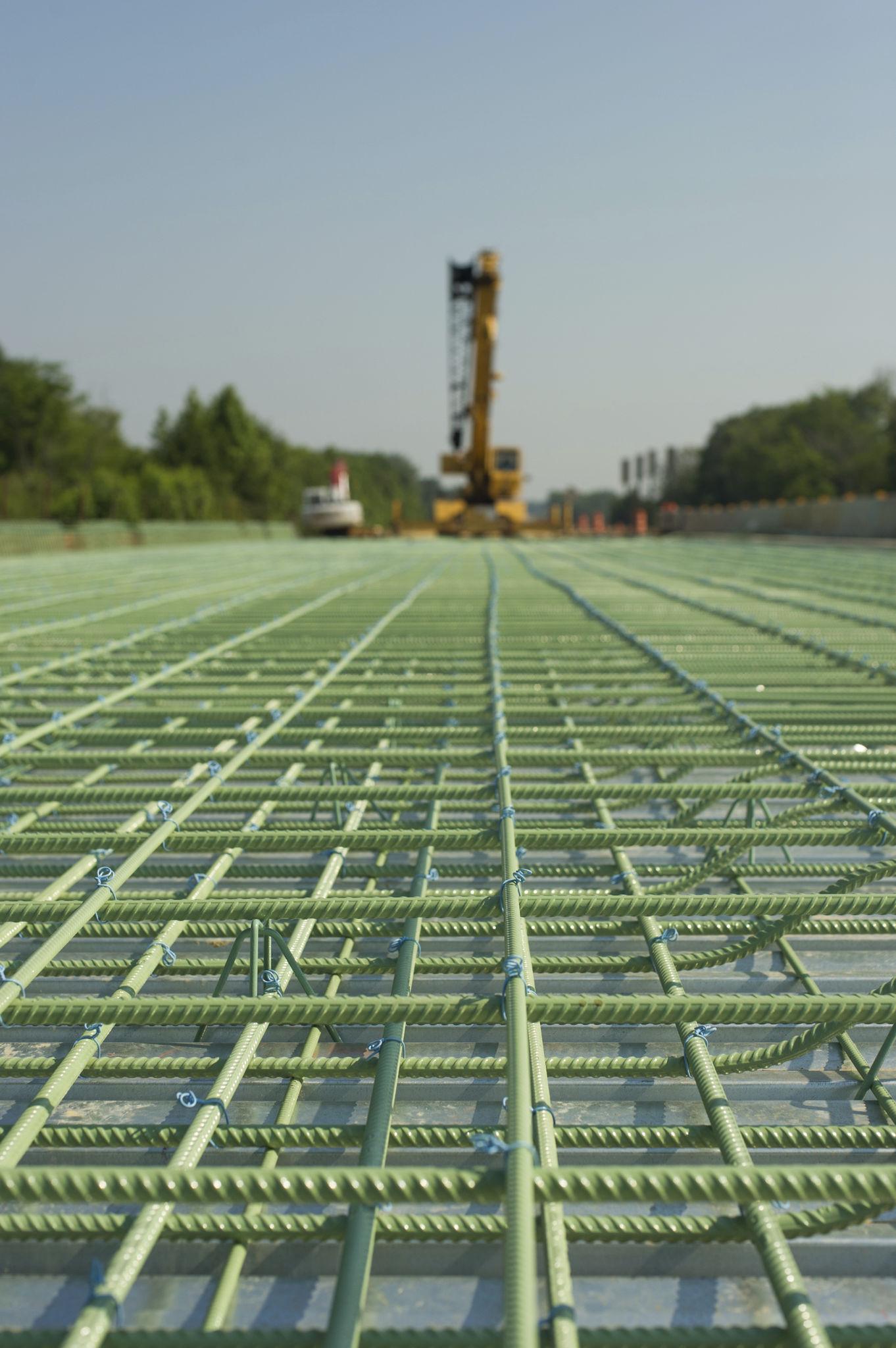 Weight reduction is another compelling benefit of GFRP
rebar. Weighing only 15-20% of comparable steel rebar,
GFRP makes transportation, handling, and installation
considerably easier and safer. This reduced weight
translates to lower labor costs, faster project completion
timelines, and reduced equipment requirements on job
sites. For retrofit projects and structural
rehabilitation, this lightweight characteristic enables
engineers to add reinforcement without exceeding original
design loads.
Weight reduction is another compelling benefit of GFRP
rebar. Weighing only 15-20% of comparable steel rebar,
GFRP makes transportation, handling, and installation
considerably easier and safer. This reduced weight
translates to lower labor costs, faster project completion
timelines, and reduced equipment requirements on job
sites. For retrofit projects and structural
rehabilitation, this lightweight characteristic enables
engineers to add reinforcement without exceeding original
design loads.
The durability advantages extend to aggressive chemical environments. GFRP rebar performs exceptionally well in contact with sulfates, acids, and alkaline solutions that would rapidly corrode steel. This makes it particularly valuable for use in industrial facilities, chemical plants, wastewater infrastructure, and subterranean applications where soil chemistry or groundwater composition would compromise conventional steel reinforcement over time.
Despite its numerous advantages, it's important to note that GFRP rebar has different mechanical properties compared to steel. While it offers excellent tensile strength, it has lower modulus of elasticity, which engineers must account for in design calculations. The material also requires specialized handling and installation techniques, and current building codes are still evolving to incorporate GFRP specifications fully. Cost considerations should also be evaluated, as GFRP typically carries a higher initial material cost, though lifecycle analysis often demonstrates superior long-term value through reduced maintenance and extended service life.
As sustainability and durability become increasingly central to construction practices, GFRP rebar continues to gain adoption across municipal, industrial, and commercial projects. Engineers and architects are discovering that the combination of corrosion resistance, lightweight properties, and extended lifespan makes GFRP an investment in infrastructure that truly stands the test of time. Whether for new construction or rehabilitation of existing structures, GFRP rebar offers a forward-thinking solution for 21st-century building challenges.