Applications of GFRP Rebar in Bridges & Coastal Projects
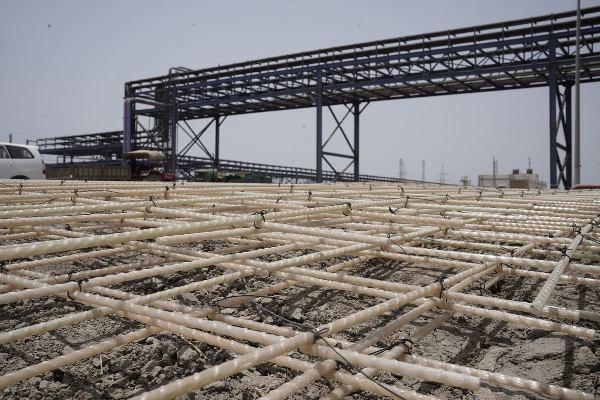
GFRP rebar has emerged as a transformative solution for bridge and coastal infrastructure projects, where traditional steel reinforcement faces significant durability challenges. The combination of exceptional corrosion resistance and long-term performance makes GFRP ideal for extending the lifespan of critical infrastructure in harsh marine and saline environments.
- Bridge Decks and Superstructure Applications
- Marine Pilings and Wharf Structures
- Salt-Spray Barrier and Protective Systems
- Offshore Platform Reinforcement
- Coastal Seawalls and Defense Infrastructure
Bridge Decks and Superstructure Applications
Bridge decks are among the most demanding applications for structural reinforcement, particularly in regions exposed to de-icing salts, humidity, and freeze-thaw cycles. Traditional steel-reinforced concrete bridge decks typically require extensive maintenance and rehabilitation within 20-30 years due to corrosion-induced spalling and deterioration. GFRP rebar offers a revolutionary alternative that has already been successfully deployed in numerous bridge projects worldwide.
The deck slabs of bridges reinforced with GFRP experience virtually no corrosion, eliminating the need for expensive protective coatings, waterproofing systems, and frequent maintenance inspections. This not only extends the bridge's service life to 50+ years but also significantly reduces life-cycle costs through elimination of repair downtime, traffic disruptions, and labor-intensive rehabilitation work. Engineers have documented exceptional performance of GFRP-reinforced bridge decks in regions with harsh winters, where chloride-laden water from road salt would rapidly corrode conventional steel reinforcement.
Marine Pilings and Wharf Structures
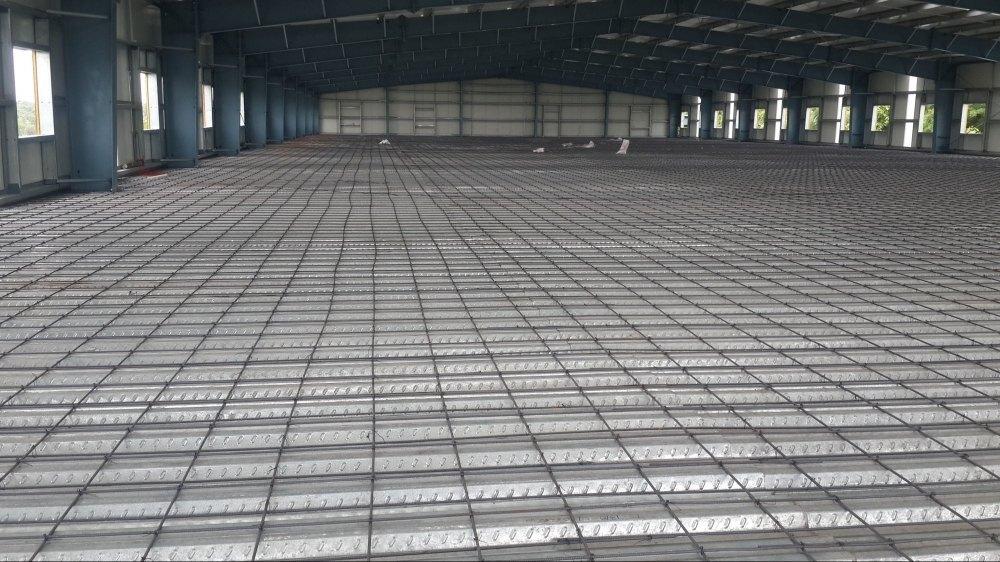 Marine pilings are continuously immersed in saltwater or
brackish environments, making them perhaps the most
corrosive application for steel reinforcement. Wooden
pilings, concrete pilings with steel reinforcement, and
steel pilings all suffer rapid deterioration in marine
settings, requiring frequent replacement and substantial
maintenance budgets. GFRP rebar represents a breakthrough
solution for this critical infrastructure challenge.
Marine pilings are continuously immersed in saltwater or
brackish environments, making them perhaps the most
corrosive application for steel reinforcement. Wooden
pilings, concrete pilings with steel reinforcement, and
steel pilings all suffer rapid deterioration in marine
settings, requiring frequent replacement and substantial
maintenance budgets. GFRP rebar represents a breakthrough
solution for this critical infrastructure challenge.
Concrete pilings reinforced with GFRP remain completely unaffected by saltwater exposure, chlorides, and marine organisms. Wharf structures, pier supports, jetties, and harbor defense systems utilizing GFRP reinforcement have demonstrated exceptional durability with zero corrosion-related failures even after decades of continuous marine exposure. The economic benefits are substantial: a piling reinforced with GFRP can be expected to function flawlessly for 75+ years without replacement, compared to traditional materials requiring replacement every 15-25 years.
Salt-Spray Barrier and Protective Systems
Coastal regions experience salt spray that penetrates inland and corrodes any exposed steel. Bridge railings, cable-stayed structures, suspension system anchorages, and architectural elements exposed to salt spray all benefit dramatically from GFRP reinforcement. The material's immunity to electrochemical corrosion means that even constant salt-spray exposure causes no degradation whatsoever.
Projects in regions like Hawaii, Puerto Rico, the Caribbean, and other high-salinity coastal areas have successfully eliminated corrosion-related failures by implementing GFRP rebar. The investment in GFRP's higher initial material cost pays for itself within 10-15 years through elimination of maintenance, repairs, protective coating renewal, and premature component replacement.
Offshore Platform Reinforcement
Offshore oil and gas platforms, wind turbines, and other marine structures require reinforcement capable of withstanding one of the most hostile environments on Earth. GFRP rebar excels in these applications where traditional steel would necessitate expensive cathodic protection systems, regular inspections, and constant maintenance.
The non-conductive nature of GFRP also prevents galvanic corrosion issues that can arise from dissimilar metals in marine environments. Concrete foundations, caissons, and support structures for offshore installations reinforced with GFRP demonstrate superior performance and dramatically reduced operating costs compared to steel-reinforced alternatives.
Coastal Seawalls and Defense Infrastructure
Coastal seawalls, dikes, and flood defense structures are critical infrastructure protecting populated areas and valuable property. These structures must withstand decades of relentless saltwater exposure, wave action, and environmental stress. GFRP-reinforced concrete seawalls have proven remarkably durable, with some structures now exceeding 30+ years of service with absolutely no deterioration of the concrete or reinforcement.
Municipalities investing in GFRP-reinforced seawalls and coastal defense structures enjoy the confidence that their critical infrastructure will protect their communities for generations without the need for major rehabilitation or replacement. This is particularly valuable given the significant investment required to construct coastal defense infrastructure and the critical importance of these structures to public safety.
"GFRP rebar has transformed how we approach bridge and coastal infrastructure design. Projects that would have required expensive maintenance schedules and premature replacement can now be designed for true durability, providing long-term value that benefits communities for generations." – Leading Bridge Engineer and Infrastructure Specialist
The application of GFRP rebar in bridges and coastal projects represents not just an improvement over traditional materials, but a paradigm shift in how engineers approach infrastructure durability. As more projects demonstrate the exceptional performance and life-cycle cost benefits of GFRP reinforcement, adoption continues to accelerate. For any bridge project, coastal structure, or marine infrastructure exposed to saltwater, de-icing chemicals, or aggressive environments, GFRP rebar should be seriously considered as a solution that will deliver superior performance and exceptional long-term value.